Blog
Old vs. New Sewer Line Materials: What Lasts the Longest?
By the Gold Star Plumbing & Drain team
Sewer lines are one of those things property owners don’t think about until there’s a problem. But when a backup, leak, or collapse happens, the material of the pipe can make all the difference in how long it lasts and how well it holds up against wear and tear. With older homes and buildings still relying on outdated materials, needing sewer repair becomes inevitable. While newer technologies offer impressive longevity, the question remains: which sewer line materials stand the test of time?
The Battle Against Aging Sewer Lines
Older sewer lines were built with materials that were once industry standards but have since been phased out due to durability issues. Clay pipes, for example, were widely used because they resisted chemical corrosion. However, they’re brittle and prone to cracking under shifting soil. Cast iron, another common choice, is strong but highly susceptible to rust and internal corrosion, leading to leaks and blockages over time.
Some properties still have Orangeburg pipes—essentially compressed wood fiber bound with tar—an option that quickly fell out of favor once its short lifespan became evident. These pipes deteriorate at an accelerated rate, often collapsing under the weight of the surrounding soil.
With any of these older materials, sewer replacement isn’t a question of “if”, but “when”. Even well-maintained cast iron or clay pipes typically fail after 50 to 100 years, and Orangeburg rarely makes it past 50. For homeowners dealing with chronic sewer issues, upgrading to modern materials is a game-changer.
Modern Sewer Line Materials: Built to Last
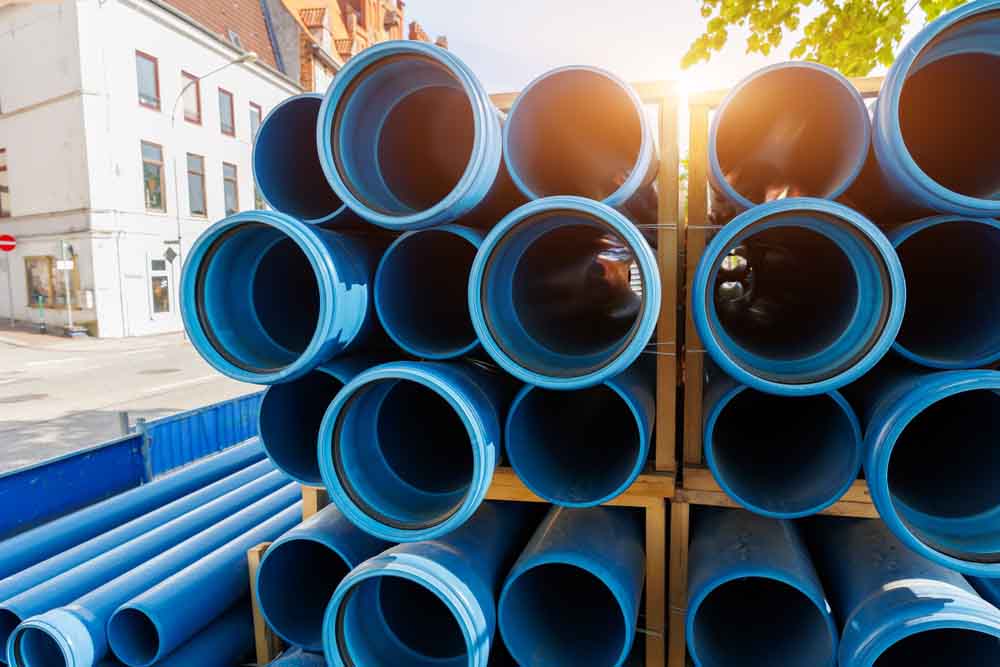
Today’s sewer pipes are engineered for longevity, with materials designed to withstand heavy use, soil movement, and corrosive waste. PVC (polyvinyl chloride) has become the industry’s go-to option for residential and commercial sewer lines. It resists rust, is impervious to root intrusion, and doesn’t crack under normal ground shifts. When properly installed, PVC pipes can last 100 years or more. However, if damage does occur, prompt drain repair is necessary to prevent further deterioration.
Another high-performance option is HDPE (high-density polyethylene). This material is highly flexible, meaning it’s far less likely to crack or break due to shifting soil. It’s also resistant to chemical corrosion and, when installed using trenchless methods, minimizes the need for disruptive excavation. Like PVC, HDPE is expected to last a century or longer.
For larger municipal and industrial sewer systems, trenchless pipe lining is extending the life of existing sewer infrastructure. This method uses epoxy-saturated liners to reinforce older pipes from within, creating a seamless, corrosion-resistant interior that can last another 50 years or more. While it doesn’t replace the original pipe, it’s an effective way to extend service life without full-scale excavation, making it a valuable alternative to traditional drain replacement.
Choosing the Right Upgrade for Long-Term Performance
When replacing an old sewer line, choosing the right material depends on more than just longevity. Local soil conditions, pipe diameter, and installation methods all play a role in determining which option is the best fit. PVC remains the most widely used choice due to its balance of affordability, durability, and ease of installation. However, for areas with unstable ground, HDPE’s flexibility makes it a smart investment.
For property owners looking to avoid complete sewer replacement, trenchless rehabilitation techniques like pipe lining offer a way to reinforce aging pipes without digging up landscaping or pavement. The key is addressing sewer line issues before a major failure occurs, which is why routine inspections and regular drain cleaning in Mesa, AZ play a critical role in preventing blockages and identifying early signs of damage.
Upgrade Now, Avoid Costly Repairs Later
Old sewer lines will eventually fail—it’s just a matter of time. Upgrading to modern materials means fewer headaches, reduced repair costs, and a plumbing system that won’t cause unexpected disruptions. Gold Star Plumbing & Drain specializes in sewer line inspections, repairs, and replacements using the most durable materials available today. If your property still relies on outdated pipes, now is the time to upgrade before small problems turn into major failures.
Contact Gold Star Plumbing & Drain and let us help you find the best long-term solution for your sewer system.
Tell us what it is doing.
Submit your request and a member of the Gold Star team will call you as soon as possible to answer your questions and schedule your service. If water is moving right now, call instead. A person answers.
- East Valley (480) 571-5944
- Prescott (928) 813-0825
- Flagstaff (928) 691-4432
- Hours
- Open 24 hours, seven days
- Licence
- Arizona ROC 327327
Book a time online
The online scheduler is not available right now.
Or tell us what is going on
Request Your Service
Submit your request and a member of the Gold Star team will call you as soon as possible to answer your questions and schedule your service. Need help now? Call: emergency plumbers are dispatched 24/7.
Loading form. If it does not load, please use the other contact options on this page.
How we use your information: Privacy Policy · Your Privacy Choices